
The Truth About Potty Training
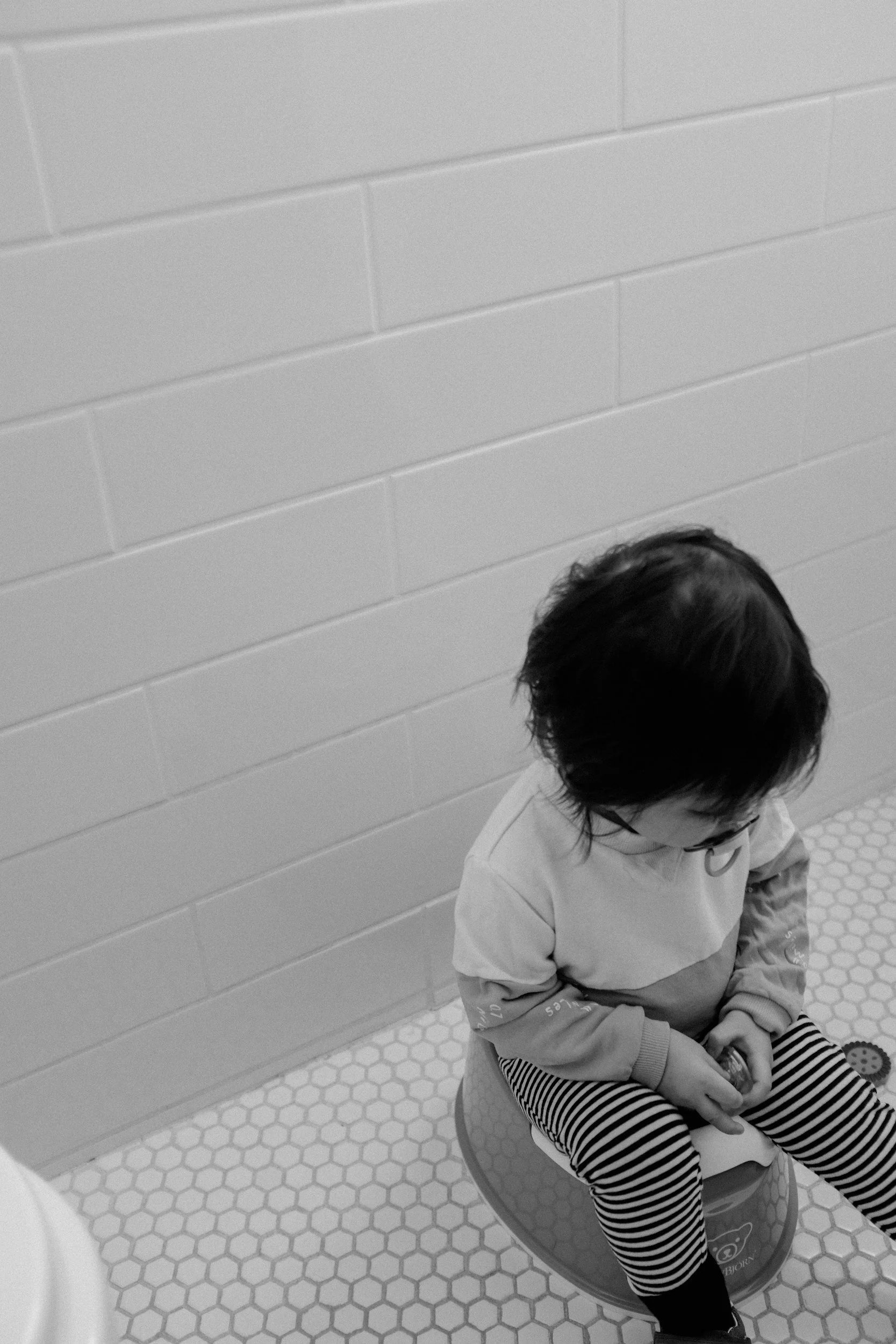
I just watched a segment on Good Morning America about potty training. They had an expert on who is called the Mommy Psychologist, Dr. Jazmine McCoy. She combines her technical training with experience as a mom. She’s written a book about potty training The First Time Parents Guide To Potty Training, and here is why you should NOT buy it, nor should you buy into most of her potty training advice.
The introduction to the piece has the anchor saying that “potty training can be a stressful process.” Totally untrue, and if you are feeling stress or your child is feeling stress you are potentially creating negative feelings about using the potty that can last a lifetime. Stress should never be involved in potty training, I repeat NEVER.
Parents asked at what age should you start the potty training process. Dr. McCoy says in the United States most parents start potty training around 27 months. And here is where we agree, she says you need to watch for some developmental cues of readiness to let you know if your child is ready. Look for: Can your child follow simple directions, ability to understand that certain items go in certain places, and showing interest in the potty.
A mom on the segment asks Dr McCoy a question: After some success, her 26 month old son had some set backs. He did well for the first week, and then he didn’t want anything to do with it anymore. He cried and refused to sit on the potty and became really upset when they talked about it or tried to get him to sit on the potty. Dr. McCoy says it’s really good that they had early success and that shows he is ready.
I totally disagree. He is ready for a “game” of potty training, not the reality of giving up his diapers and committing to the potty for good!
Dr. McCoy offers suggestions like: Load up on liquids and prompting every 30-60 minutes. Can you imagine what this is really going to be like? Yes, you are causing the child to have to go potty more often by “loading up on liquids” but do you honestly think that pestering him every 30-60 minutes is going to feel good to him? Just because he has to go, does not mean he will hold it until you prompt him to go… and by prompting so often you are creating stress even if you do it in a sweet and positive way.
If there is regression, then HE IS NOT READY. She suggests using potty training books and videos and I agree with this.
But we must take potty use out of hiding, it is something that grown-ups just don’t talk about and so it’s a totally new concept for little ones. Sure, they see the potty in the house but very likely they haven’t connected that you hold your bodily fluids then release them when you are sitting on the potty. Do not assume that young children know you are doing anything other than sitting on the potty. And for many kids, they rarely see adults on the potty! They may see mom, but do they see dad or grandma or anyone else? Probably not because it is a thing that we keep in “secret.”
I think kids need to learn that every single big person they know uses the potty. I’m not at all suggesting that they actually see your neighbors and friends, pants down on the potty. I am saying that when you have guests in your home and they go to use the bathroom, point it out to your child! Say, “See grandma has to go pee and she uses the potty just like mommy and daddy do. She’s going in there now and when she closes the door she will sit on the potty and go pee, isn’t that great?!!”
I believe this time of awareness and education has to come LONG before you ever start suggesting that your child try using the potty. Take away the mystery. Bring it out in the open. It is a complex set of skills you are asking a toddler to put together. They have to first be able to recognize that they have to pee or poop before it actually happens, then hold it for a few seconds more to get to the bathroom and get on the toilet, then consciously relax and let it go. It’s not as simple as one would think.
Be specific about your bathroom habits, “I feel like I have to go pee so I am going to sit on the potty.” You are explaining how this potty gig goes. You get the feeling that you have to go, and you acknowledge it and go to the toilet before it’s too late. There are quite a lot of sensory steps involved here. Kids need to know all of this and see it in action.
You definitely can let your child follow you and see that this is what actually happens on the potty. You should be beginning to see why having your kid drink three juice boxes and then setting a timer for you to drag them into the bathroom where you yank their pants down and plop them on the toilet isn’t really a great way to do it.
You approved of your kids’ diapers their entire life, and now all of the sudden you don’t. Add the pressure of timers, and constant reminders and treats and inevitably you will get frustrated when it doesn’t always work out. The child feels shamed and upset because you are obviously unhappy with them when they make mistakes. Treats and rewards are ways of forcing kids to do what you want them to do, they don’t really educate or motivate.
You will have way more success when your child actually wants to do it themselves, and believe me, they will! It’s called intrinsic motivation, which is motivation that comes from within. Potty training is first and foremost a learning process. Before we start “training” kids we have to TEACH kids. Model what you want them to do. Explain why it’s good to do it. Dry undies feel a lot nicer than wet and messy diapers. Kids are naturally interested when they realize that pretty much everyone they know does this mysterious thing of using the toilet!
Remember, your kid doesn’t see anything wrong with the way they’ve been doing it… in their diaper! I found that talking about the potty for a long time before expecting my kids to do anything about it worked like a charm.
Once my kids started trying the potty, we checked out bathrooms everywhere we went. “Look! Target has so many potties in a row!” Instead of going potty before we left home, I took my kids to the bathroom everywhere we went so they would know that no matter where you go there’s always a potty to use. As a result, my kids grew up being able to use the bathroom absolutely anywhere without hang ups or fears. I honestly don’t remember much about potty training my kids. We talked about it, they learned what grown ups and big kids do, and then they started doing it too! There were no power struggles, no tears, no stress for them or for me. If only the rest of parenting were that easy!